QRIS vs. Virtual Account for Indonesia Trading Deposits: Which is the Best Choice for Your Transactions?
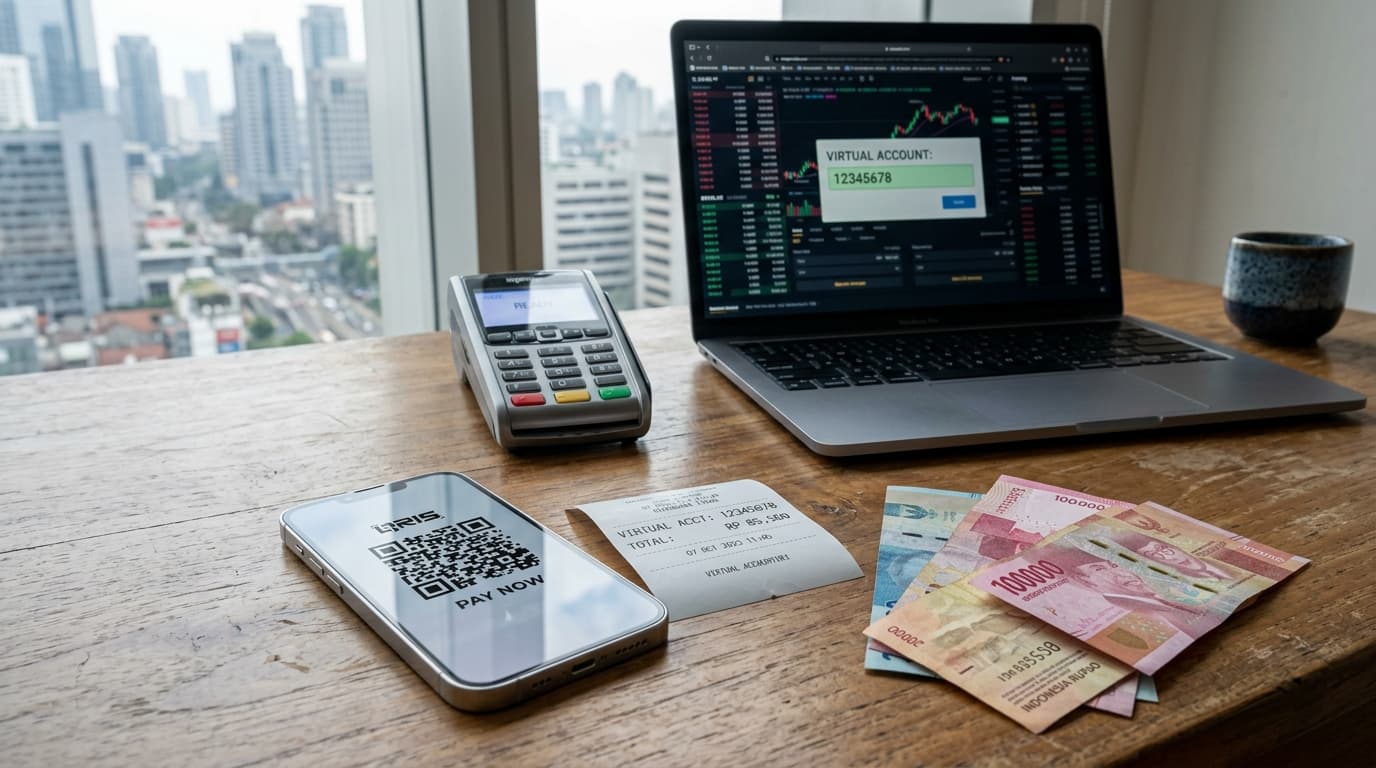
Choosing the right deposit method might seem like a minor detail, but for Indonesian traders, it directly affects transaction speed, fund availability, and overall trading efficiency. As digital payment options expand, the debate around QRIS vs. Virtual Account for Indonesia trading deposits has become increasingly relevant. Understanding how each method works — and where each falls short — helps you make informed decisions rather than convenient ones.
What Is QRIS and What Is a Virtual Account in the Context of Trading Deposits
Both QRIS and Virtual Accounts are widely used in Indonesia's digital financial ecosystem, but they serve different purposes and carry distinct characteristics when applied to broker funding.
How QRIS Works as a Payment Method for Trading
QRIS (Quick Response Code Indonesian Standard) is a unified QR code payment standard regulated by Bank Indonesia. It allows users to scan a single QR code using any compatible e-wallet or mobile banking application — such as GoPay, OVO, Dana, or BCA Mobile — to complete a payment. For trading deposits, some brokers that accept Indonesian payment methods integrate QRIS as a fast, app-based funding option that requires no manual bank transfer entry.
How Virtual Accounts Work for Broker Deposits and Withdrawals
A Virtual Account is a unique, temporary bank account number generated specifically for a single transaction or user. When depositing into a trading account, your broker assigns you a dedicated VA number tied to major Indonesian banks such as BCA, Mandiri, BNI, or BRI. You then transfer funds to that number via ATM, internet banking, or mobile banking.
"The Virtual Account system is deeply embedded in Indonesia's banking infrastructure, making it one of the most familiar and trusted deposit methods for retail traders across the country."
Why Your Deposit Method Choice Matters for Indonesian Traders
Your deposit method is not just a logistical step — it has real consequences for your trading capital management, access to funds, and compliance posture.
Transaction Limits, Fees, and Processing Times
Transaction limits differ significantly between methods. QRIS payments are currently capped at Rp 10,000,000 per transaction by Bank Indonesia regulation, which can restrict larger deposits. Virtual Accounts, depending on the issuing bank and account type, often support higher transfer ceilings. Processing fees also vary — QRIS transactions may carry merchant fees passed on to users, while VA transfers typically use standard interbank transfer costs. Processing time for QRIS is near-instant, whereas VA transfers can take minutes to several hours depending on the bank and transfer type used.
Regulatory Considerations and Digital Payment Infrastructure in Indonesia
Indonesia's digital payment landscape is shaped by Bank Indonesia's oversight, which governs both QRIS standards and the operational rules surrounding Virtual Accounts issued by licensed banks. Traders should be aware that deposits made through unregulated or non-compliant channels can create complications during KYC verification and withdrawal processing. Understanding the regulatory environment is especially important if you are trading with an offshore broker.
"Choosing a deposit method that aligns with Indonesia's regulated financial infrastructure reduces the risk of fund delays, account verification issues, and compliance complications down the line."
For traders wanting to understand how Indonesia's payment regulations, currency controls, and financial frameworks affect their trading activity, it is worth taking time to review more financial information about your country before committing to a funding method.
Key Differences Between QRIS and Virtual Account for Trading Deposits
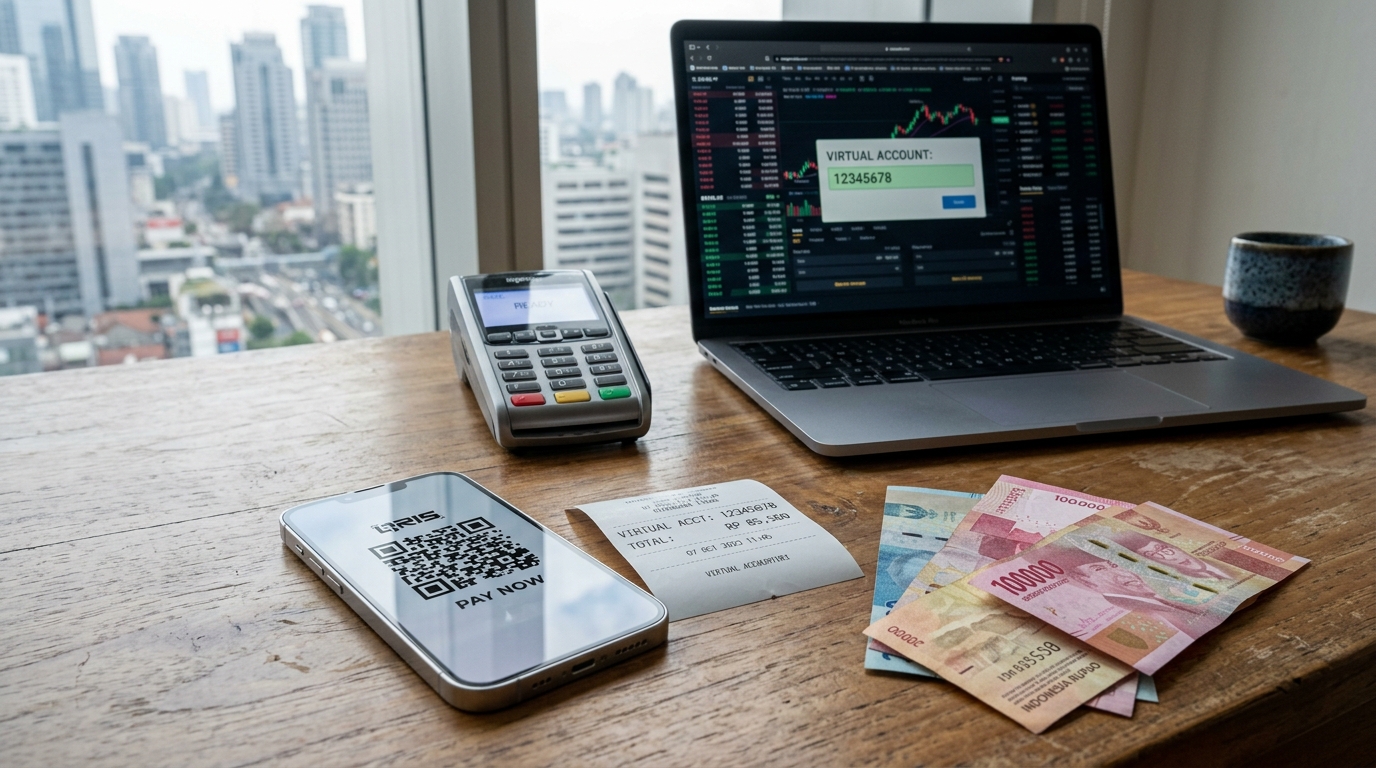
Understanding the practical distinctions between these two methods helps you match your funding approach to your actual trading habits.
| Feature | QRIS | Virtual Account |
|---|---|---|
| Transaction Limit | Up to Rp 10,000,000 per transaction | Generally higher, bank-dependent |
| Processing Speed | Near-instant | Minutes to several hours |
| Payment Channel | E-wallet or mobile banking app | ATM, internet banking, mobile banking |
| Fee Structure | Merchant fees may apply | Standard interbank transfer costs |
| Bank Compatibility | Any QRIS-compatible app | Specific banks (BCA, Mandiri, BNI, BRI) |
Settlement Speed and Fund Availability
For traders who need rapid capital deployment, QRIS offers a clear advantage — funds are typically reflected almost immediately. Virtual Accounts, while reliable, introduce a settlement window that depends on the originating bank and transfer method. During volatile market conditions, even a short delay in fund availability can affect your ability to enter positions at the intended price.
Accessibility, Bank Compatibility, and User Requirements
QRIS requires a compatible e-wallet or mobile banking application with sufficient balance, which may not suit traders who prefer direct bank transfers. Virtual Accounts are accessible through nearly every major Indonesian bank channel, making them a more universally compatible option for traders who maintain larger balances in conventional bank accounts rather than digital wallets.
How to Decide Which Method Fits Your Trading Situation
Selecting the right deposit method requires an honest assessment of your trading style, capital size, and banking habits.
- Evaluate your typical deposit amount — if you regularly fund above Rp 10,000,000, Virtual Accounts are the more practical choice.
- Consider how quickly you need funds available after depositing.
- Assess which payment channels you actively use — e-wallet balances versus bank account balances.
- Review your broker's supported payment methods and any associated fees.
- Check whether your preferred method aligns with Indonesia's regulated payment infrastructure for smoother KYC and withdrawal processing.
Factors to Evaluate Before Choosing a Deposit Method
Beyond convenience, consistency matters. A deposit method that works smoothly every time reduces operational friction in your trading routine. Traders dealing with offshore brokers should also verify that their chosen method supports compliant withdrawals — not just deposits. For country-specific guidance on payment infrastructure and financial regulations, review regional financial data relevant to your situation.
Common Mistakes and Misconceptions When Funding a Trading Account
Many traders assume the fastest deposit method is always the best. Speed is valuable, but deposit limits, fee accumulation over multiple transactions, and withdrawal compatibility matter equally. Another common error is treating QRIS and Virtual Accounts as interchangeable — they operate through fundamentally different payment rails and carry distinct risk profiles for trading use.
Conclusion
Both QRIS and Virtual Accounts offer legitimate, practical paths for funding a trading account in Indonesia. The right choice depends on your deposit size, urgency, and banking setup. Evaluate each method against your actual trading needs rather than defaulting to whichever feels most familiar.
Frequently Asked Questions
Is QRIS or a Virtual Account faster for trading deposits in Indonesia?
QRIS is generally faster, with near-instant settlement. Virtual Accounts can take minutes to several hours depending on your bank and transfer method.
Can I deposit large amounts using QRIS?
No. Bank Indonesia currently caps QRIS transactions at Rp 10,000,000 per transaction. For larger deposits, a Virtual Account is the more suitable option.
Do both methods support withdrawals?
Not always. Withdrawal compatibility depends on your broker's supported channels. Confirm withdrawal options before committing to a deposit method.
Where can I learn more about Indonesia's payment regulations?
You can review more financial information about your country to understand regulatory frameworks and currency controls relevant to trading.
Educational & Risk DisclaimerThis content is for educational purposes only and is not financial or investment advice. Trading involves risk, and you may lose your capital. Always do your own research before making financial decisions.