Ultimate Guide to Fixing MT4/MT5 High Latency in Ho Chi Minh City for Seamless Trading
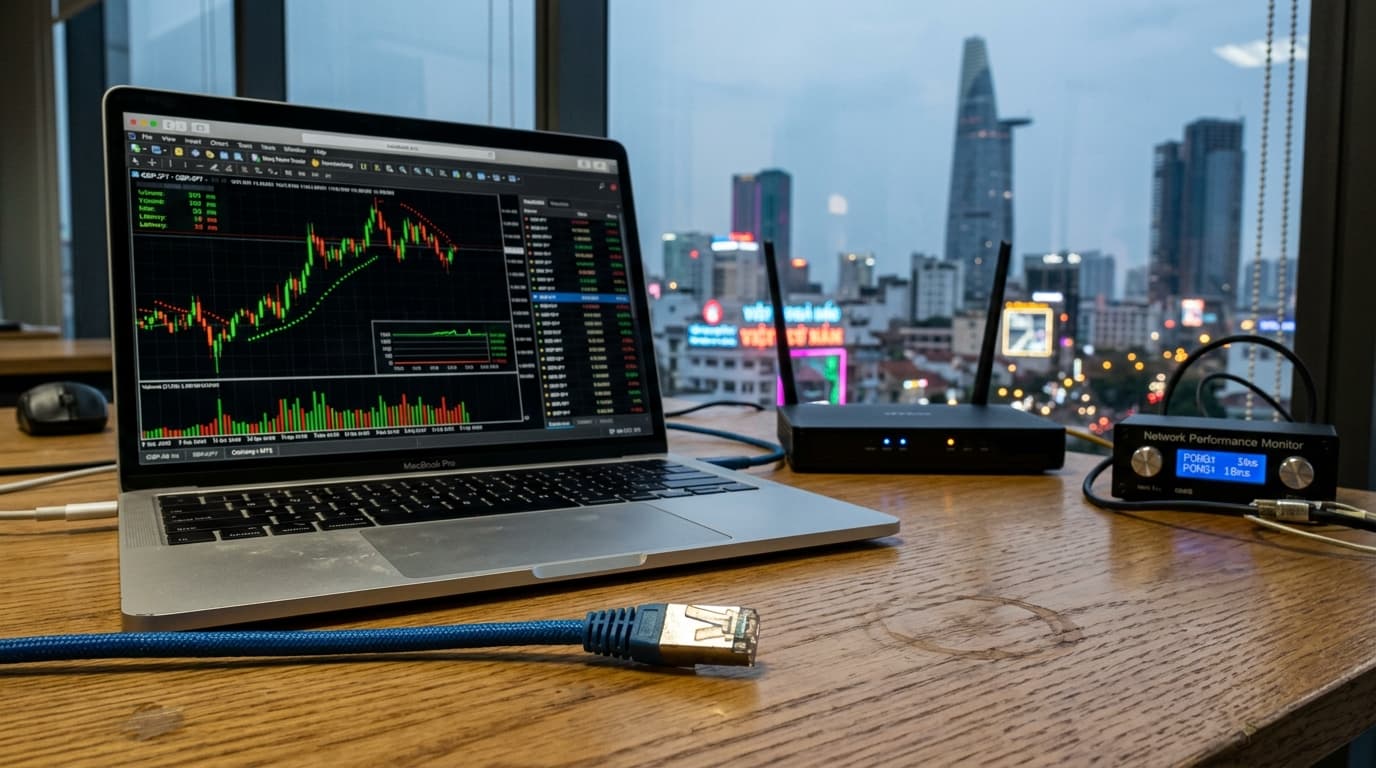
For forex traders in Ho Chi Minh City, platform performance can be the difference between a well-executed trade and a costly missed opportunity. High latency on MetaTrader 4 and MetaTrader 5 is one of the most common yet overlooked technical challenges facing traders in Vietnam. This guide walks through the causes of latency, why it matters, and practical steps you can take to reduce it for more reliable, consistent trading execution.
What Is MT4/MT5 Latency and Why It Affects Traders in Ho Chi Minh City
Latency is not just a technical inconvenience — for active forex traders, it directly shapes the quality of every trade placed.
Defining Latency in the Context of Forex Trading Platforms
In forex trading, latency refers to the time delay between when you send a trade order from your MT4 or MT5 platform and when that order is received and processed by your broker's server. This round-trip delay is measured in milliseconds and affects order fills, slippage, and overall platform responsiveness. Even small delays can cause your executed price to differ from your intended entry or exit point.
How Latency Is Measured and What Numbers Matter
Latency is typically measured using ping — the time in milliseconds (ms) for a data packet to travel from your device to the server and back.
Industry professionals generally consider latency below 50ms acceptable for retail forex trading, while anything above 200ms can noticeably impair execution quality, particularly during fast-moving market conditions.
Why High Latency Is a Serious Problem for Forex Traders in Ho Chi Minh City
Execution delays compound quickly in volatile markets, and traders in Ho Chi Minh City face specific geographic and infrastructure challenges that make this issue more pronounced than in many other regions.
| Latency Range | Execution Quality | Impact on Trading |
|---|---|---|
| Under 50ms | Excellent | Minimal slippage, reliable fills |
| 50ms – 100ms | Acceptable | Occasional minor slippage |
| 100ms – 200ms | Poor | Noticeable delays, frequent requotes |
| Above 200ms | Critical | Significant slippage, missed entries |
The Impact of Delayed Execution on Trade Outcomes
When latency is high, your platform may display a price that no longer exists by the time your order reaches the broker's server. This produces requotes or fills at worse prices — a condition known as negative slippage. For scalpers and short-term traders, this erodes profitability rapidly. Even longer-term traders face risk management problems when stop-loss or take-profit orders execute at unintended levels.
Local Network Infrastructure and Its Role in Trading Performance
Ho Chi Minh City's internet infrastructure has improved significantly, but routing inefficiencies between Vietnamese ISPs and overseas broker servers — typically located in London, New York, or Tokyo — remain a real challenge. Data must travel across multiple international network hops, adding cumulative delay. Peak usage hours and congested domestic networks can push latency well beyond acceptable thresholds, making local infrastructure a key factor in trading performance.
Key Components That Contribute to MT4/MT5 Latency in Ho Chi Minh City
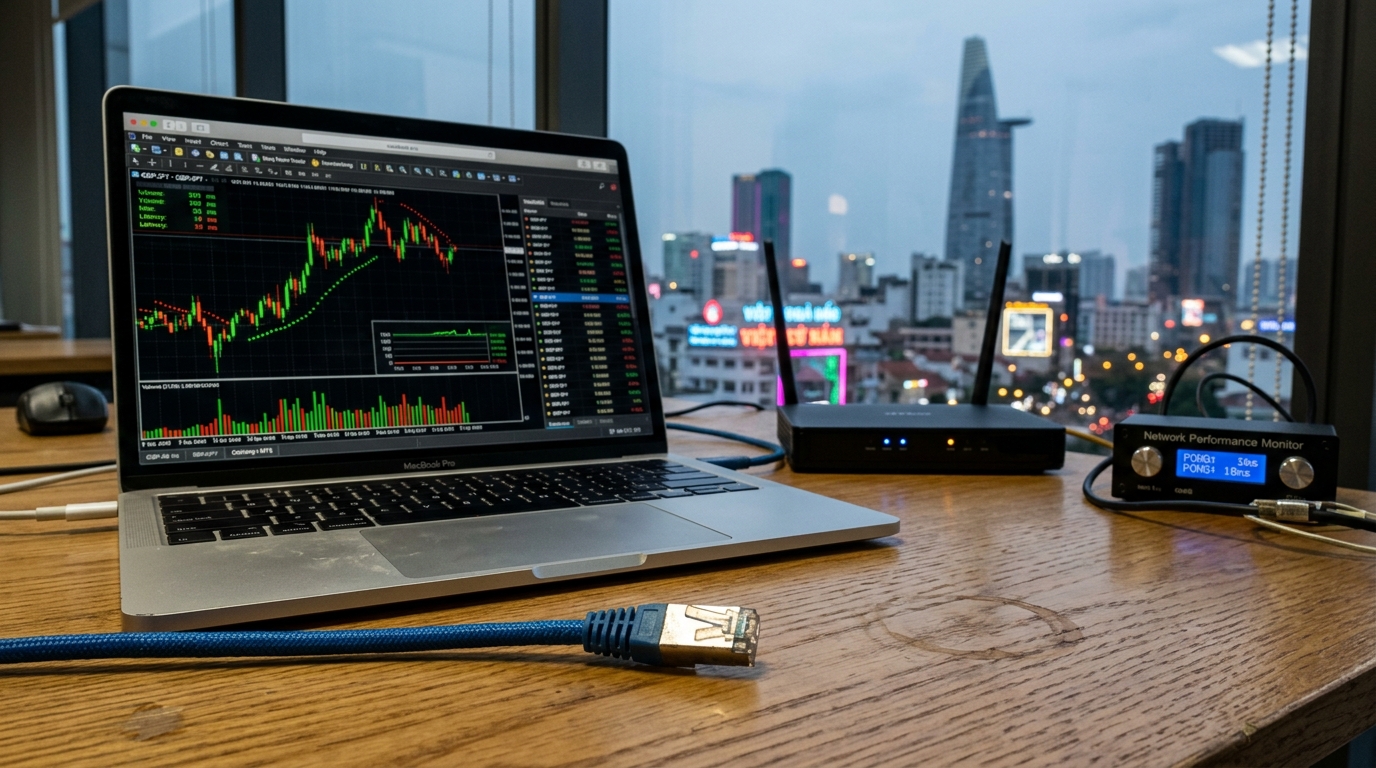
Understanding what drives latency helps you target the right fixes. Server distance is the most significant factor — the physical gap between Ho Chi Minh City and broker servers in Europe or North America introduces unavoidable baseline delay.
Internet Service Providers, VPS Hosting, and Server Location
Your ISP's routing quality directly determines how efficiently your data travels internationally. Some Vietnamese providers use suboptimal international peering routes, adding unnecessary hops. VPS hosting located closer to your broker's server — such as in Singapore or Tokyo — can dramatically cut round-trip times compared to trading from a local home connection.
Hardware, Software, and Platform Configuration Factors
Local hardware and software also contribute meaningfully to overall latency.
- Outdated routers with limited processing capacity slow packet handling.
- Running multiple applications alongside MT4/MT5 consumes RAM and CPU resources.
- Antivirus software performing real-time packet inspection adds processing delay.
- Older operating systems may lack optimized network stack performance.
- Unoptimized MT4/MT5 chart configurations with excessive indicators increase platform load.
Addressing these factors systematically produces measurable improvements in platform responsiveness.
How to Fix MT4/MT5 High Latency in Ho Chi Minh City Step by Step
Fixing MT4/MT5 high latency in Ho Chi Minh City rarely requires a single solution — sustainable improvement comes from addressing network, infrastructure, and platform configuration together.
Optimizing Your Network Connection and Router Settings
Wired Ethernet connections consistently outperform Wi-Fi for trading stability. Prioritize your trading device using your router's Quality of Service (QoS) settings to allocate bandwidth preferentially. Restarting your router regularly and selecting a less congested DNS server — such as Google's 8.8.8.8 — can also reduce resolution delays.
Using a VPS to Reduce Latency and Improve Platform Stability
A Virtual Private Server hosted in Singapore or Hong Kong places your MT4/MT5 instance geographically closer to most broker servers used by Asian traders. This reduces round-trip time significantly and keeps your platform running 24 hours without depending on your local connection quality.
Adjusting MT4/MT5 Platform Settings for Better Performance
Within MT4/MT5, reduce the number of active chart windows and remove unnecessary custom indicators. Lowering the maximum bars in chart history under Tools > Options also reduces memory load, improving execution responsiveness and overall platform stability.
Important Considerations for Forex Traders in Vietnam
Beyond technical fixes, Vietnamese traders should understand the broader regulatory and financial environment they operate within. Forex trading in Vietnam exists in a complex legal landscape — offshore brokers are commonly used, but currency controls and restrictions on international fund transfers can affect deposits and withdrawals. Understanding your obligations around KYC verification and tax reporting is essential before trading with real capital.
Vietnam's banking infrastructure continues to evolve, and payment processing times for international transfers vary considerably depending on your bank and chosen payment method. Traders should verify withdrawal processes before committing funds. For country-specific data on regulations, currency controls, and financial infrastructure relevant to Vietnamese traders, you can review more financial information about your country at Asia Markets Guide. Making informed decisions about platform setup and financial compliance together creates a more sustainable trading foundation.
Conclusion
Fixing MT4/MT5 high latency in Ho Chi Minh City is achievable through a structured approach — addressing your network connection, considering a regional VPS, and optimizing platform settings. Combined with awareness of Vietnam's regulatory environment, these steps help build a more reliable and informed trading foundation.
Frequently Asked Questions
What is a good latency target for MT4/MT5 trading in Ho Chi Minh City?
Aim for under 50ms. Latency between 50ms and 100ms is workable, but anything above 200ms will noticeably affect execution quality.
Does a VPS actually help reduce latency in Vietnam?
Yes. A VPS hosted in Singapore or Hong Kong places your platform closer to most broker servers, significantly reducing round-trip time.
Can my ISP affect MT4/MT5 performance?
Absolutely. Some Vietnamese providers use inefficient international routing, adding unnecessary delay. Switching providers or using a VPS can bypass this issue.
Educational & Risk DisclaimerThis content is for educational purposes only and is not financial or investment advice. Trading involves risk, and you may lose your capital. Always do your own research before making financial decisions.