Mastering Bank Transfers: Dealing with 'Reason for Transfer' in Vietnam and Thailand
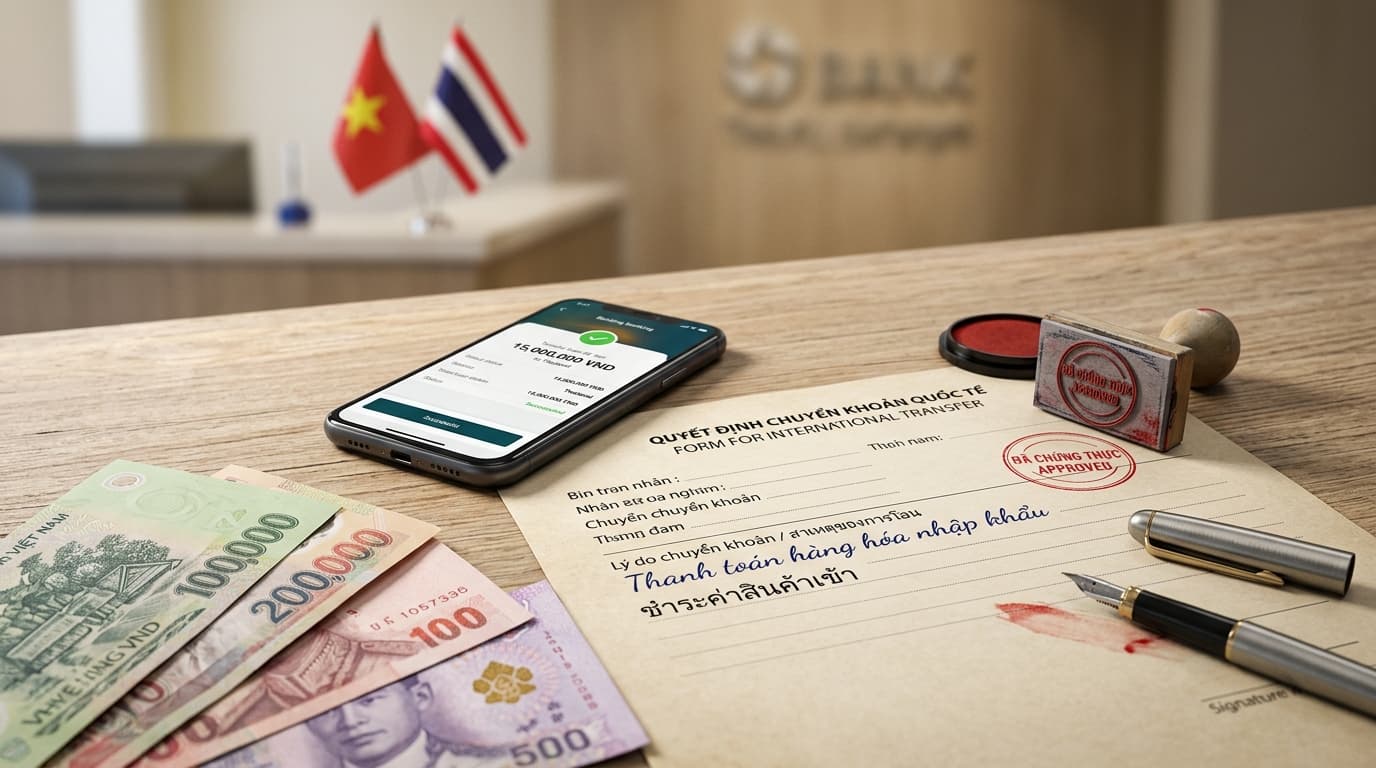
Bank transfers in Vietnam and Thailand involve more than just entering an account number and amount. A small but consequential field — the "reason for transfer" — can determine whether your funds arrive smoothly or get delayed, frozen, or flagged for investigation. For forex traders and financial enthusiasts moving money between personal accounts and trading platforms, understanding how to complete this field correctly is not optional. It is a practical necessity that directly affects your ability to operate.
What Is the "Reason for Transfer" Field in Vietnamese and Thai Banking
Vietnamese and Thai banking systems operate under regulatory frameworks that require senders to declare the purpose of funds at the point of transfer. This mandatory field — sometimes labeled "transfer description," "payment purpose," or "nội dung chuyển tiền" in Vietnamese — captures the stated reason behind every transaction.
Why Banks in Vietnam and Thailand Require Transfer Descriptions
Both countries maintain active oversight of capital flows. In Vietnam, the State Bank of Vietnam monitors cross-border and domestic transfers for compliance with foreign exchange regulations. In Thailand, the Bank of Thailand applies similar scrutiny, particularly for international remittances. Banks are legally required to collect and retain this data.
How the Field Differs from Western Banking Norms
In many Western banking systems, the transfer description is largely optional or used only for personal reference. In Vietnam and Thailand, it carries regulatory weight.
Leaving the transfer reason blank or entering vague text like "personal" or "misc" can trigger manual review, delay processing, or result in outright rejection — outcomes that no trader can afford when timing matters.
Why Getting the Transfer Reason Right Matters for Traders
Accuracy in the transfer reason field is not bureaucratic formality — it is a risk management decision. For traders, an incorrectly described transfer can create compliance complications that extend well beyond a single delayed transaction.
Risks of Incorrect or Vague Transfer Descriptions
Frozen funds, extended processing delays, and mandatory documentation requests are the most immediate consequences. Banks may place a compliance hold on transfers flagged as ambiguous, requiring the sender to provide supporting documents before the transaction proceeds. In worst cases, repeated vague descriptions can attract anti-money laundering scrutiny.
How Regulators and Banks Use Transfer Data
Both the State Bank of Vietnam and the Bank of Thailand use transfer data to monitor capital movement patterns, enforce reporting thresholds, and identify suspicious activity.
Transfer descriptions feed directly into automated compliance systems — a mismatch between the stated purpose and the transaction profile can trigger alerts that escalate to human review or regulatory reporting.
Key Components of a Compliant Bank Transfer in Vietnam and Thailand
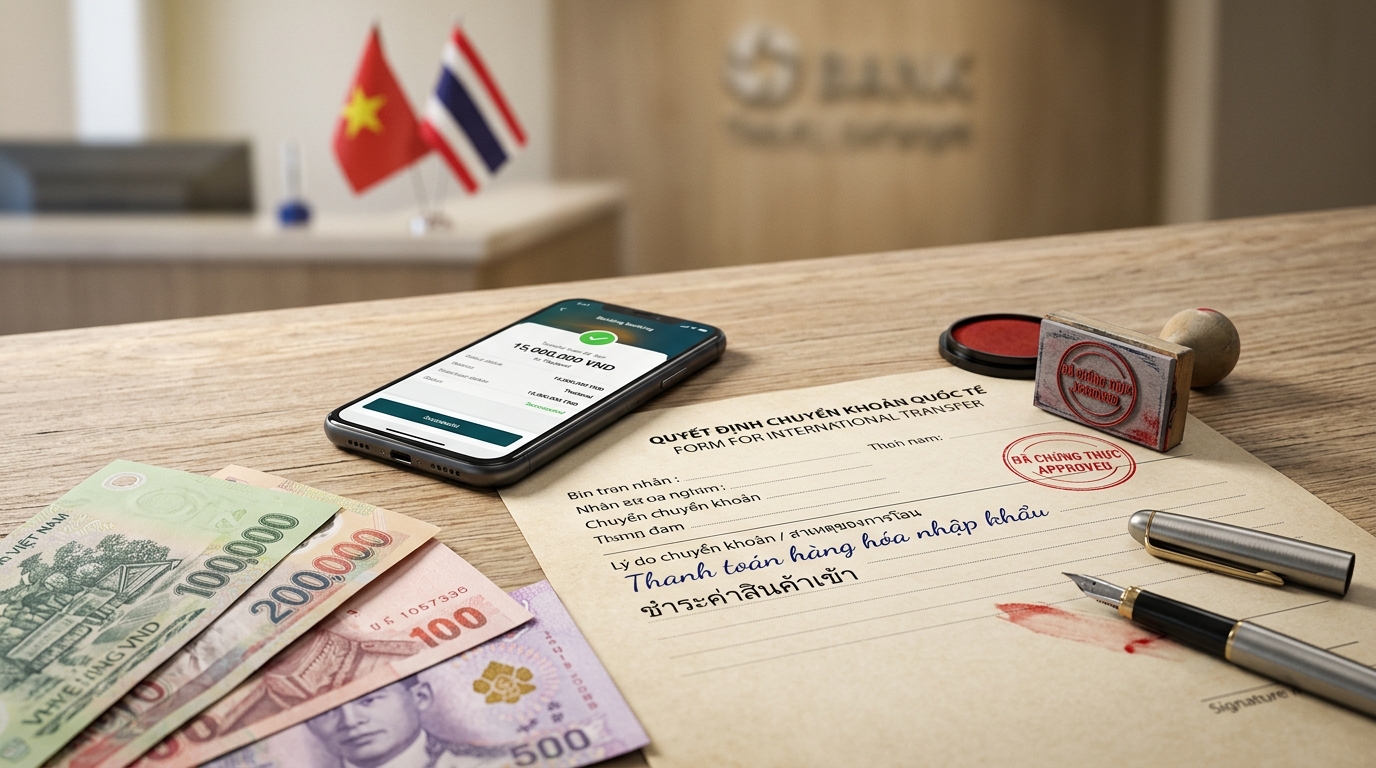
Understanding what makes a transfer description compliant requires knowing how banks in both countries evaluate the information you provide.
| Component | Vietnam Requirement | Thailand Requirement |
|---|---|---|
| Transfer Purpose | Specific and in Vietnamese or English | Clear purpose in Thai or English |
| Amount Threshold | Reporting required above VND 300 million | Reporting required above THB 450,000 |
| Supporting Documents | Required for forex-related transfers | Required for international remittances |
| Sender Identification | Full name and ID number | National ID or passport reference |
Accepted vs. Rejected Transfer Reason Phrases
Precise, purpose-driven language is consistently accepted. Phrases like "deposit to personal trading account," "investment capital transfer," or "withdrawal of trading profits" clearly communicate intent. Vague entries such as "payment," "transfer," or blank fields are routinely rejected or flagged.
KYC Requirements Linked to Transfer Descriptions
Know Your Customer obligations in both countries tie directly to what you write in the transfer description. When the stated purpose involves investment activity or foreign exchange, banks may require:
- A copy of your national identification document
- Proof of the trading account in your name
- A bank statement showing the source of funds
- A signed declaration of transfer purpose
- Tax identification documentation where applicable
How to Handle "Reason for Transfer" Step by Step as a Trader
Consistency and specificity are the two principles that protect your transfers from unnecessary delays.
Before initiating any transfer, confirm the exact phrasing your bank accepts for trading-related transactions — some institutions maintain approved terminology lists.
Practical Examples for Common Trading-Related Transfers
For a deposit to a trading account: "Transfer of personal investment funds to trading account [account number]." For a withdrawal: "Return of trading capital to personal bank account." For profit withdrawals: "Withdrawal of investment returns from personal trading account."
What to Do If Your Transfer Is Flagged or Frozen
Contact your bank's compliance department directly, not general customer service. Provide supporting documentation proactively, including account statements and identity verification. Avoid resubmitting the same transfer with identical descriptions — revise the language to be more specific before resubmitting.
Important Considerations and Common Misconceptions
Many traders assume that domestic transfers carry less scrutiny than international ones. In Vietnam and Thailand, this is not always accurate — large domestic transfers involving trading activity can trigger the same compliance reviews as cross-border transactions.
Currency Controls and Reporting Thresholds in Both Countries
Vietnam maintains strict foreign exchange controls under the State Bank of Vietnam's oversight, meaning transfers involving foreign currency require additional justification. Thailand applies reporting thresholds that automatically flag transactions above certain values for review. Neither country treats trading income as a universally exempt category — tax and regulatory obligations apply regardless of where the trading platform is based.
Reviewing Country-Specific Financial Data Before You Transfer
Regulations governing transfer descriptions, currency controls, and reporting requirements change periodically. Before making significant transfers, verify current rules applicable to your situation. You can review more financial information about your country to access regional financial data covering forex regulation, KYC standards, and currency control frameworks relevant to Vietnam, Thailand, and other Asian markets. Relying on outdated information is one of the most common and avoidable mistakes traders make.
Conclusion
Getting the transfer reason field right in Vietnam and Thailand is a practical skill every trader operating in these markets must develop. Specificity, consistency, and awareness of regulatory thresholds protect your funds from unnecessary delays. Treat each transfer description as a compliance document — because in these banking environments, it effectively is.
Frequently Asked Questions
What happens if I leave the transfer reason blank in Vietnam or Thailand?
Blank transfer descriptions typically trigger manual review, processing delays, or outright rejection. Banks in both countries are required to collect this data for regulatory compliance purposes.
Can I use English in the transfer reason field?
Yes. Both Vietnamese and Thai banks generally accept English-language descriptions, provided the purpose is clearly stated.
Does transfer description affect tax reporting?
It can. Stated transfer purposes help regulators identify taxable income categories, including trading profits. Accurate descriptions reduce the risk of misclassification or audit complications.
Educational & Risk DisclaimerThis content is for educational purposes only and is not financial or investment advice. Trading involves risk, and you may lose your capital. Always do your own research before making financial decisions.