Why KRW and TWD are tracking AI chip demand more than traditional exports
Introduction
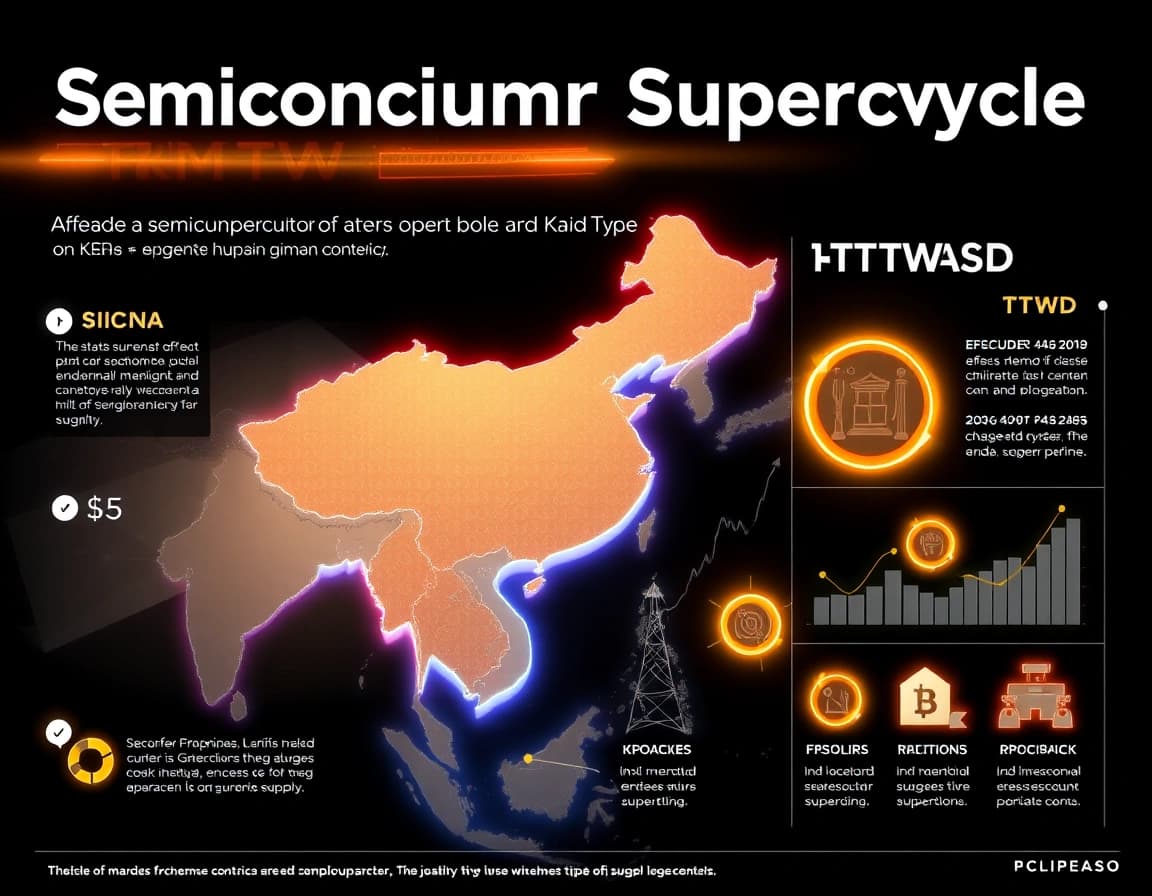
The semiconductor supercycle is reshaping how currency traders interpret economic signals across Asia. For traders watching the Korean Won (KRW) and Taiwanese Dollar (TWD), traditional export metrics are no longer sufficient. AI-driven chip demand has emerged as a dominant force, pulling both currencies in directions that older models struggle to predict. Understanding this shift is essential for anyone trading Asian foreign exchange markets today.
What Is the Semiconductor Supercycle and Why Are KRW and TWD Involved
The semiconductor supercycle refers to an extended period of surging chip demand that goes beyond normal inventory cycles. Unlike previous cycles driven by smartphones or PCs, the current wave is powered by AI infrastructure — data centers, GPU clusters, and edge computing. South Korea and Taiwan sit at the center of this shift because their economies are structurally built around chip production.
How Currency Markets Connect to Chip Manufacturing
When semiconductor exports rise, foreign buyers must purchase local currency to settle trade transactions. This creates direct upward pressure on KRW and TWD. Conversely, when chip demand softens, both currencies tend to weaken alongside export revenues.
The Role of South Korea and Taiwan in Global Semiconductor Supply
| Country | Key Chipmakers | Global Market Share (Approx.) | Primary Chip Type |
|---|---|---|---|
| South Korea | Samsung, SK Hynix | ~60% of DRAM | Memory (DRAM, NAND) |
| Taiwan | TSMC, MediaTek | ~90% of advanced logic chips | Logic, Foundry Services |
| United States | Intel, Nvidia | Design-dominant | CPUs, GPUs |
| Netherlands | ASML | Equipment monopoly | Lithography Machines |
Why the Semiconductor Supercycle Matters for Asian Currency Traders
"In today's market, tracking TSMC's order book may tell you more about TWD direction than Taiwan's official trade balance figures alone."
For new traders in Asia, this represents a fundamental change in how currency valuation works in export-driven economies.
Traditional Export Models vs. AI-Driven Chip Demand
Historically, traders monitored broad export baskets — automobiles, steel, petrochemicals — to gauge KRW strength. Today, a single product category, advanced semiconductors, can overshadow all others combined in terms of currency impact.
How AI Infrastructure Spending Is Reshaping Trade Flows
Hyperscalers like Google, Microsoft, and Amazon are committing hundreds of billions to AI infrastructure. This spending flows directly into chip procurement, benefiting TSMC and Samsung at scale. For traders, this means capital inflows into Taiwan and South Korea are increasingly tied to quarterly AI capex announcements from US technology companies rather than traditional seasonal demand patterns.
Key Components Driving KRW and TWD Sensitivity to Chip Demand
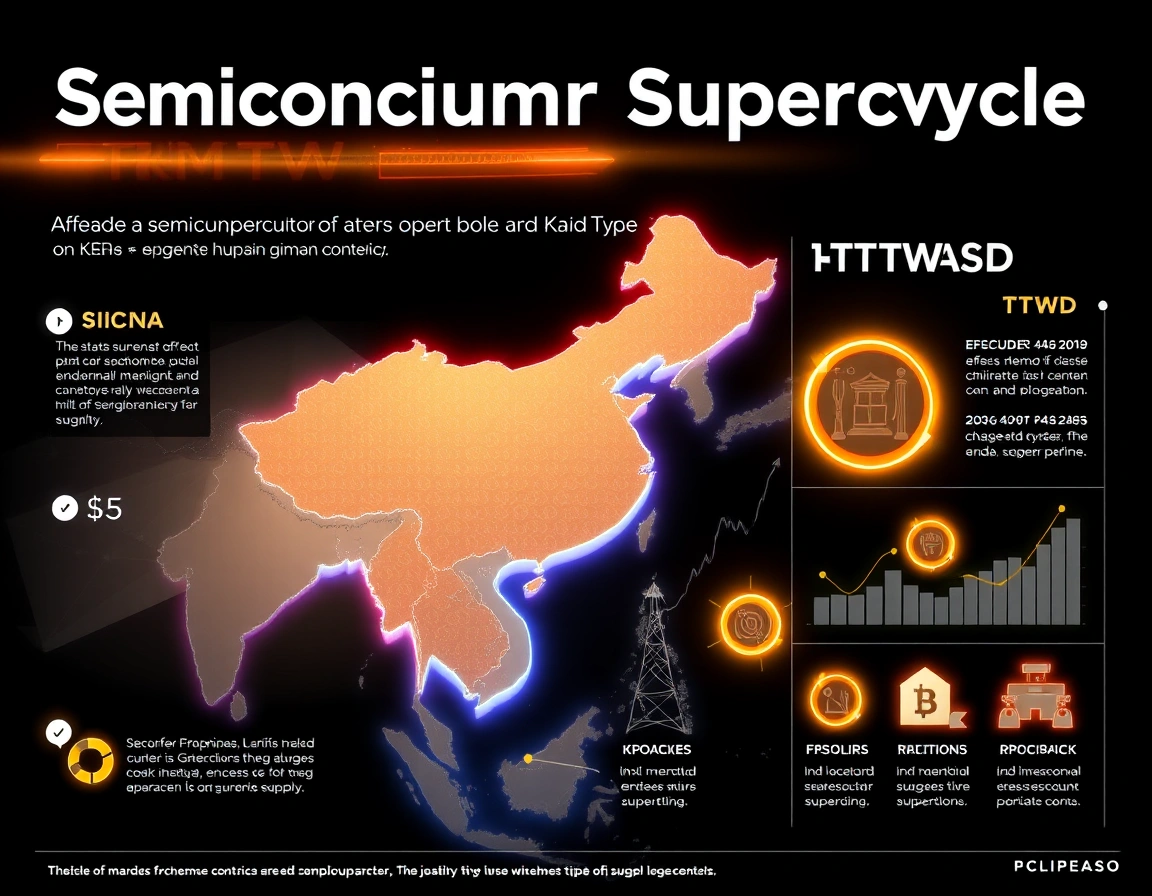
Several structural factors explain why both currencies respond so directly to semiconductor demand shifts:
- Semiconductor exports represent over 20% of South Korea's total export revenue.
- TSMC alone accounts for roughly 10% of Taiwan's entire GDP output.
- Foreign currency earnings from chip sales must be converted, creating spot market pressure.
- Equity inflows into chipmakers like Samsung and TSMC drive capital account movements.
- Chip pricing cycles affect national trade surpluses and current account balances simultaneously.
Export concentration at this level means chip demand functions almost like a single lever controlling currency direction.
Major Chipmakers and Their Economic Weight on National Currencies
Samsung's memory division and TSMC's foundry business aren't just large companies — they are systemic economic anchors. When Samsung reports strong DRAM pricing, analysts immediately reassess KRW forecasts. TSMC's revenue guidance directly influences TWD forward rate expectations among institutional traders.
Capital Flows, Foreign Investment, and Currency Pressure
Foreign institutional investors buying Korean or Taiwanese equities must first purchase local currency, creating demand independent of trade flows. During AI-driven rallies in semiconductor stocks, this portfolio investment channel amplifies currency appreciation beyond what export data alone would suggest.
How to Read Semiconductor Demand Signals as a Currency Trader
"Chip demand signals often lead official trade data by six to eight weeks, giving attentive traders an early window into KRW and TWD positioning opportunities."
Knowing which indicators to monitor separates reactive trading from informed decision-making.
Leading Indicators Traders Watch for KRW and TWD Movements
Key signals include TSMC's monthly revenue releases, Samsung's quarterly earnings guidance, Philadelphia Semiconductor Index (SOX) performance, and US hyperscaler capital expenditure announcements. These data points frequently move ahead of official government trade statistics.
Risks and Limitations of Using Chip Demand as a Currency Signal
Chip demand signals are not infallible. Geopolitical disruptions, US export controls, and sudden inventory corrections can break the relationship between semiconductor momentum and currency direction. New traders should treat these signals as contributing factors rather than standalone predictors, always combining them with broader macroeconomic context.
Important Considerations and Common Misconceptions
New traders often assume that strong chip demand guarantees KRW or TWD appreciation — this oversimplifies a complex relationship. Several misconceptions deserve direct attention.
First, currency intervention by central banks in both countries can counteract market forces. Both the Bank of Korea and Taiwan's central bank have histories of managing excessive currency volatility, meaning appreciation isn't always permitted to run freely even when fundamentals support it.
Second, chip demand and chip pricing are different variables. High shipment volumes with falling average selling prices can actually compress export revenue, weakening the currency impact traders expect.
Third, correlation is not permanence. The KRW-semiconductor relationship has strengthened during the current AI cycle but may shift if production diversifies to other regions over time. Treating any single framework as permanent is a common mistake among traders new to Asian foreign exchange markets.
Conclusion
The semiconductor supercycle has fundamentally repositioned KRW and TWD within global currency markets. For traders in Asia, monitoring AI chip demand signals alongside traditional indicators is no longer optional — it is a practical necessity. Understanding the structural connection between chip economics and currency movement provides a more complete analytical foundation.
Frequently Asked Questions
What makes KRW and TWD more sensitive to chip demand than other Asian currencies?
Both South Korea and Taiwan have extreme export concentration in semiconductors, meaning chip revenue movements have outsized effects on trade balances and currency flows compared to more diversified economies.
Can new traders realistically track semiconductor demand signals?
Yes. Publicly available data like TSMC's monthly revenue reports and US hyperscaler earnings calls provide accessible starting points without requiring specialist resources.
Does strong chip demand always strengthen KRW and TWD?
Not automatically. Central bank intervention and falling chip prices despite high volumes can limit or reverse expected currency appreciation.
Educational & Risk DisclaimerThis content is for educational purposes only and is not financial or investment advice. Trading involves risk, and you may lose your capital. Always do your own research before making financial decisions.